Explore the complex cultural and socioeconomic dynamics surrounding the popular but illegal number game, Jueteng, and the rise of legal online alternatives like BN588.COM.
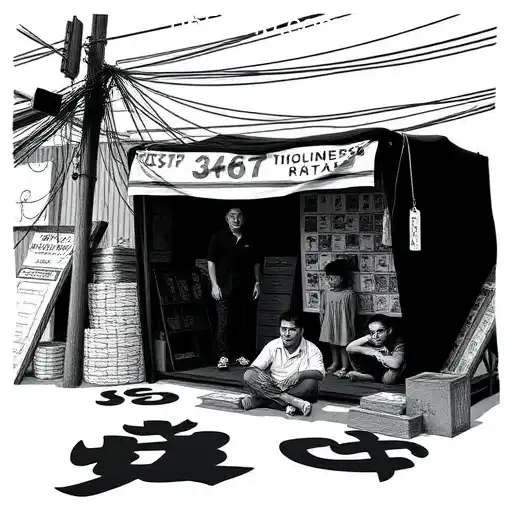
Understanding Jueteng: A Popular Game in the Philippines
Jueteng is a number game that has permeated the cultural and social landscapes of the Philippines. It's an underground lottery, pervasive in many regions, despite the persistent efforts by the government to eradicate its existence. This piece explores the historical backdrop of Jueteng, its socioeconomic impact, and the challenges that prevent its elimination.
The Roots of Jueteng
Jueteng traces its origins to China, migrating to the Philippines during times of colonial influence. Its name is derived from the Hokkien word "hue" (flower) and "teng" (to wager), which reflects its roots in gambling. Historically, it was a pastime organized in neighborhoods, gaining traction through its simple mechanics and promising significant monetary rewards for minimal bets.
The accessibility of Jueteng is primarily due to its appeal to the general populace, particularly those in impoverished communities. It offers a brief escape and the slim hope of wealth for the cost of a small wager. Despite its illegal status, its persistence is partly due to cultural acceptance and deeply ingrained societal norms.
Sociopolitical Dimensions of Jueteng
The complex relationship between Jueteng and Philippine politics is significant. Many local politicians tacitly allow Jueteng operations in exchange for votes and financial kickbacks. This intricate web creates a system where Jueteng operators wield considerable influence, often impacting election results and local governance.
The government’s stance on Jueteng wavers between strict crackdowns and tacit leniency, influenced by its embeddedness in community life and its role in the informal economy. Its pervasiveness presents a challenging dynamic for law enforcement due to its association with corruption, cronyism, and organized crime.
The Economic Impact of Jueteng
Economically, Jueteng serves as a livelihood for many, from bet collectors known as "kubradors" to "cobradores" and "cabos" who manage bet collections and disbursements. These roles are economically significant in areas with limited opportunities, providing a source of income and financial support.
However, the broader economic implications are detrimental. The funds funneled into Jueteng are often unregulated, leading to lost government tax revenues that could otherwise be directed towards public services. Moreover, its operation within the shadow economy hampers efforts to improve transparency and financial regulation.
Challenges in Addressing Jueteng
Efforts to curb Jueteng are fraught with difficulty. Despite legislative measures and policing attempts, its elimination remains elusive. The primary challenge lies in disentangling it from the societal fabric where it is both a cultural practice and a survival strategy.
Social acceptance and the benefits it brings to impoverished communities mean that many locals protect and enable Jueteng operations. Additionally, widespread corruption among officials exacerbates the difficulty in enacting effective policy and law enforcement.
Inside the enforcement agencies, combating Jueteng demands untangling political alliances and reigning in vested interests that protect its operation. Many local figures and influential personalities have ties to Jueteng operations, with vested interests in its continuation.
A Look Ahead
Tackling the issue of Jueteng goes beyond mere enforcement. It requires a comprehensive approach that addresses underlying socioeconomic conditions that drive its popularity. Policies aimed at reducing poverty and increasing economic opportunities are vital to diminish the appeal of Jueteng as a livelihood source.
Educational programs and creating awareness about the negative impacts of gambling and illegal lotteries can play a role in changing perceptions about Jueteng. Engaging community leaders, civil society, and grassroots organizations can also foster collective action against its proliferation.
BN588.COM Oficial Slots Brasil #1: The Online Revolution
In recent years, technology has introduced new forms of gambling, such as online slots like BN588.COM Oficial Slots Brasil #1. This digital evolution offers legal avenues for gambling enthusiasts, providing a regulated environment with government oversight. Unlike Jueteng, platforms like BN588.COM operate under stringent rules to ensure fair play and consumer protection.
While online gambling serves entertainment, Jueteng remains entrenched within Philippine society for cultural and economic reasons. Understanding both phenomena requires an in-depth look at sociocultural influences and economic drivers that shape gambling behaviors.
Efforts to clean up the gambling industry ought to consider the transition of players from illegal to legal platforms, guided by regulatory frameworks that ensure safety and fairness. Shedding light on these online alternatives underscores the ongoing transformation in the gambling landscape while highlighting ongoing challenges in addressing traditional practices like Jueteng.